

![Kanitz, F[élix]: Donau-Bulgarien und der Balkan. Historisch-geographisch-ethnographische Reisestudien aus den Jahren 1860–1879. II-III. (von III.) Leipzig, 1877-1879; Hermann Fries.](https://kozpontiantikvarium.live/sites/default/files/2026-07/106097_0.jpg "Kanitz, F[élix]: Donau-Bulgarien und der Balkan. Historisch-geographisch-ethnographische Reisestudien aus den Jahren 1860–1879. II-III. (von III.) Leipzig, 1877-1879; Hermann Fries.")
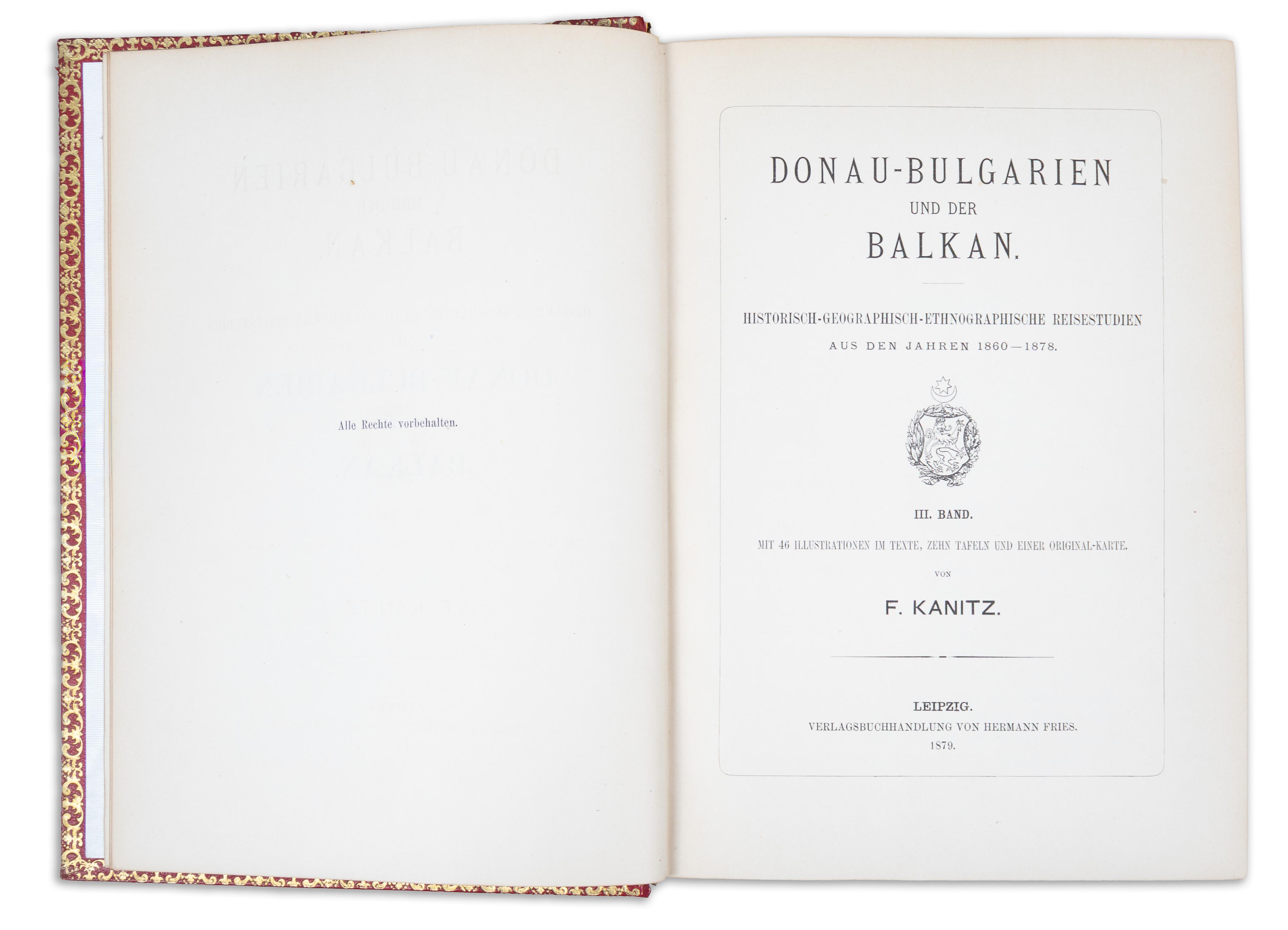
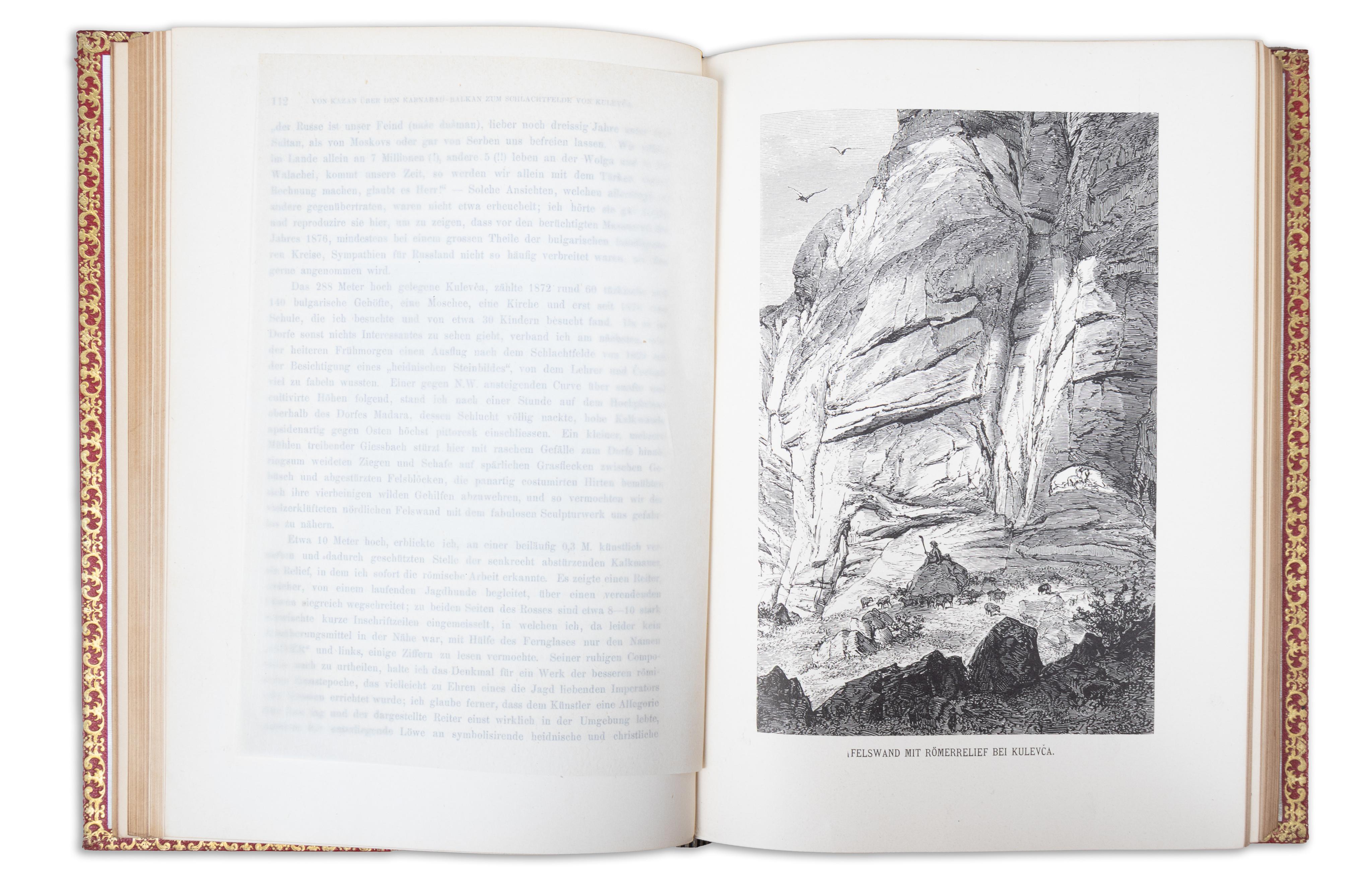
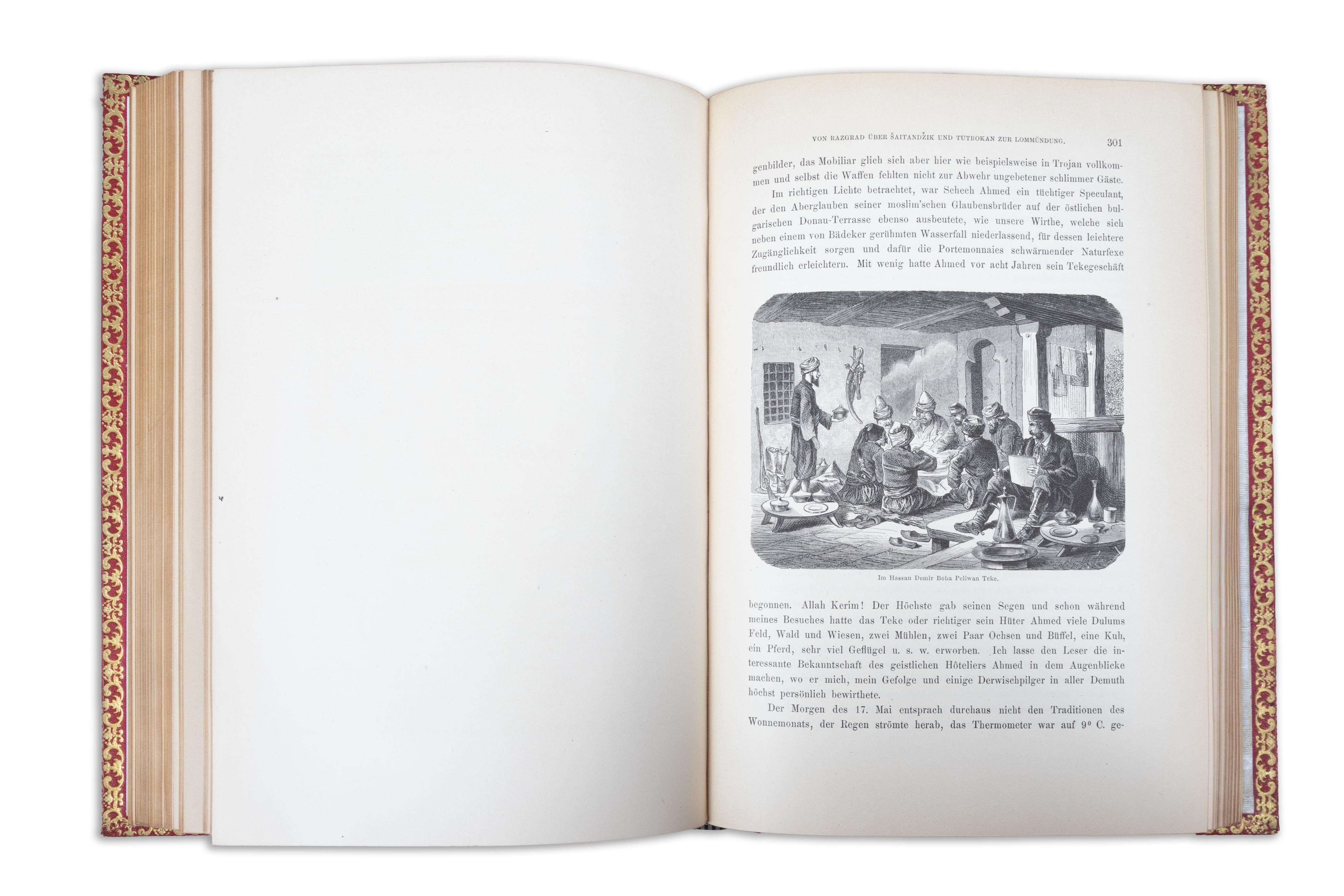
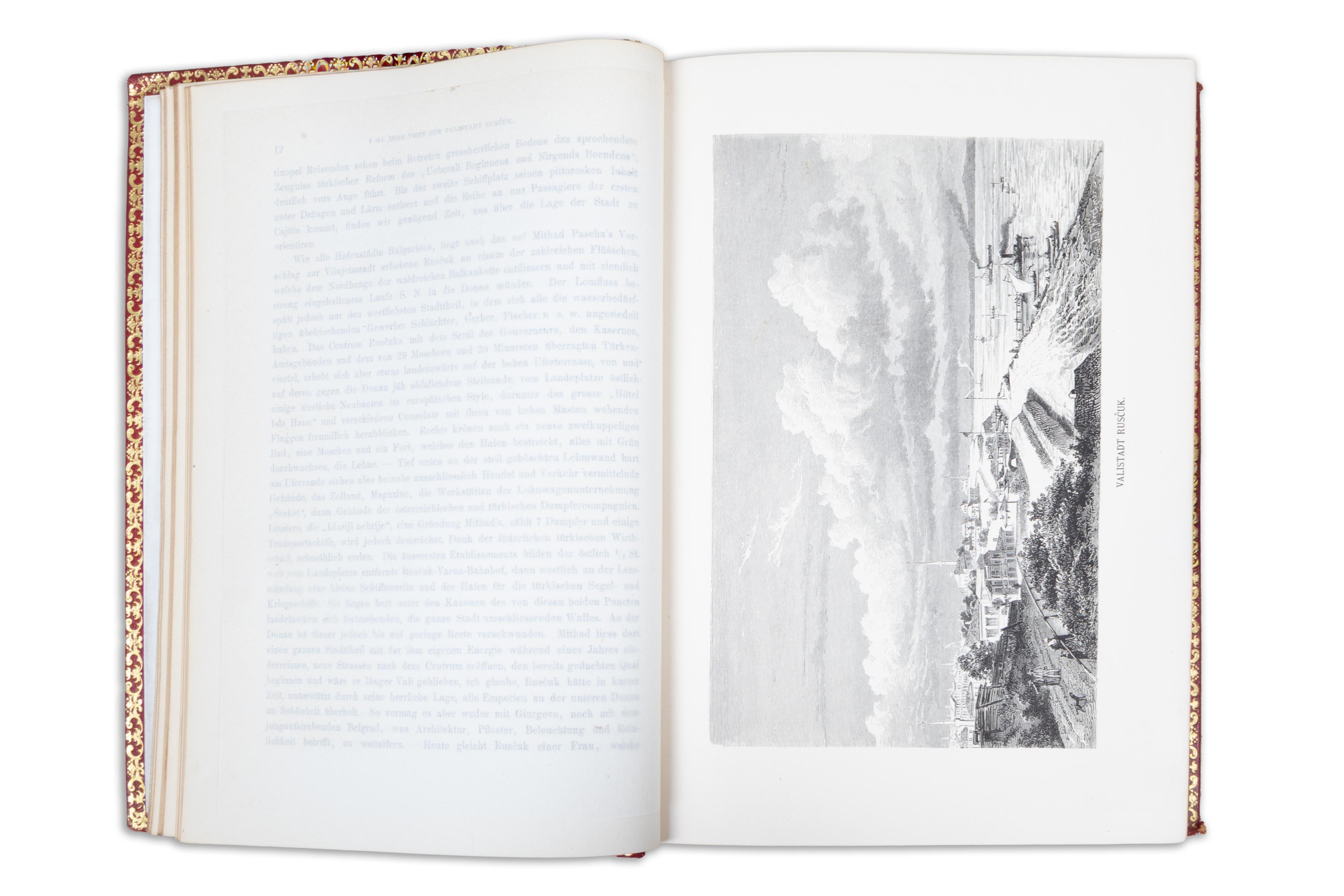
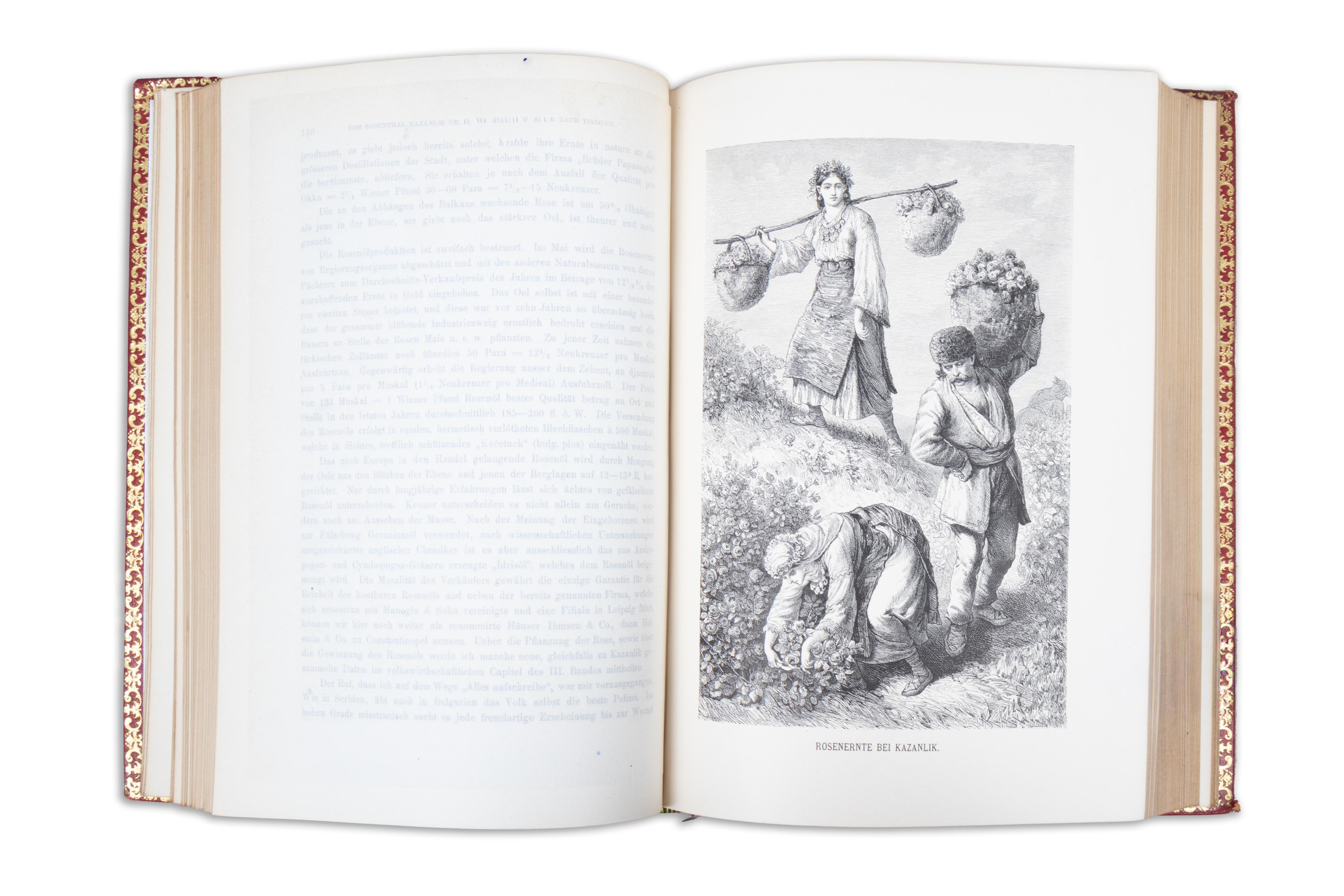
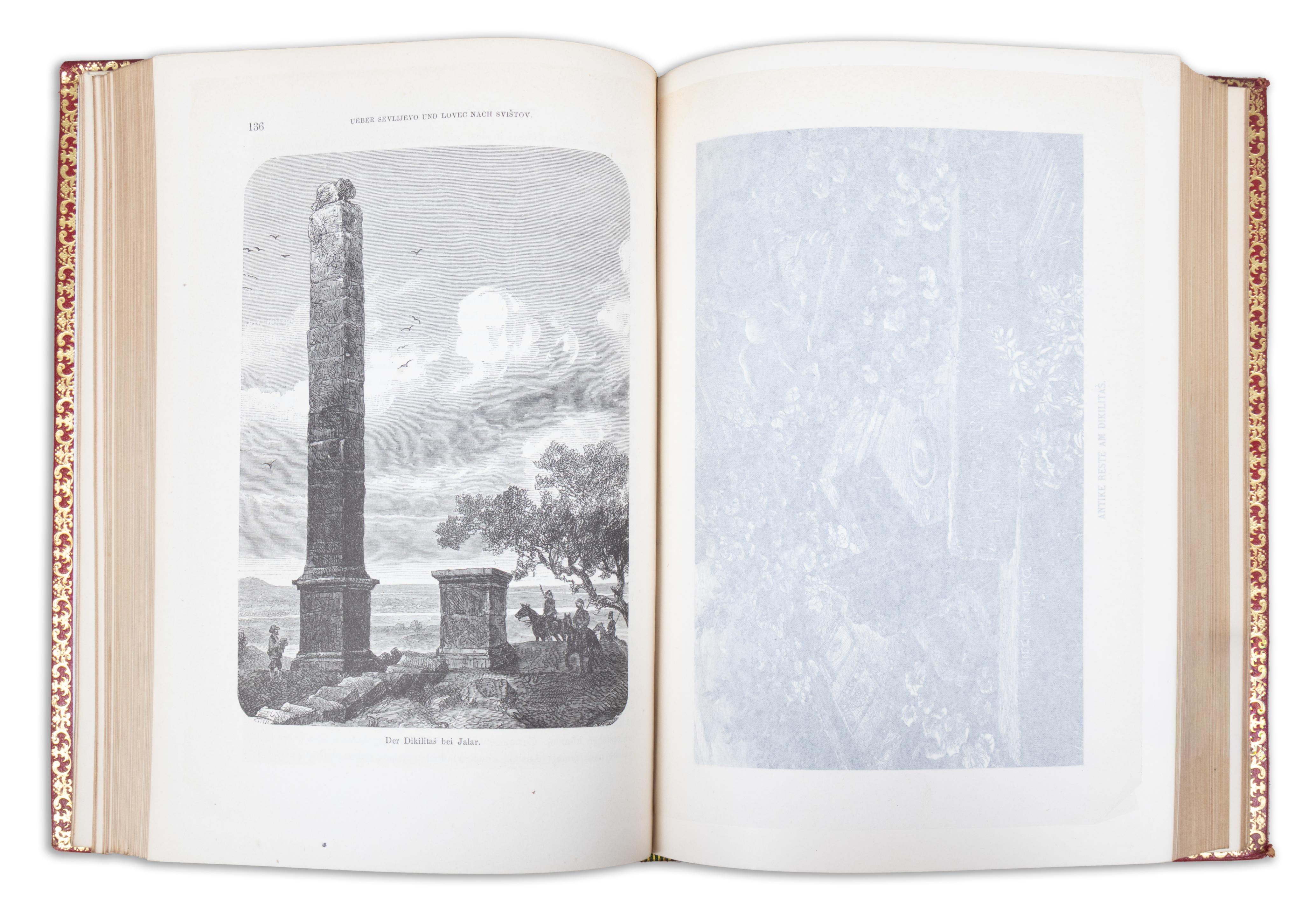
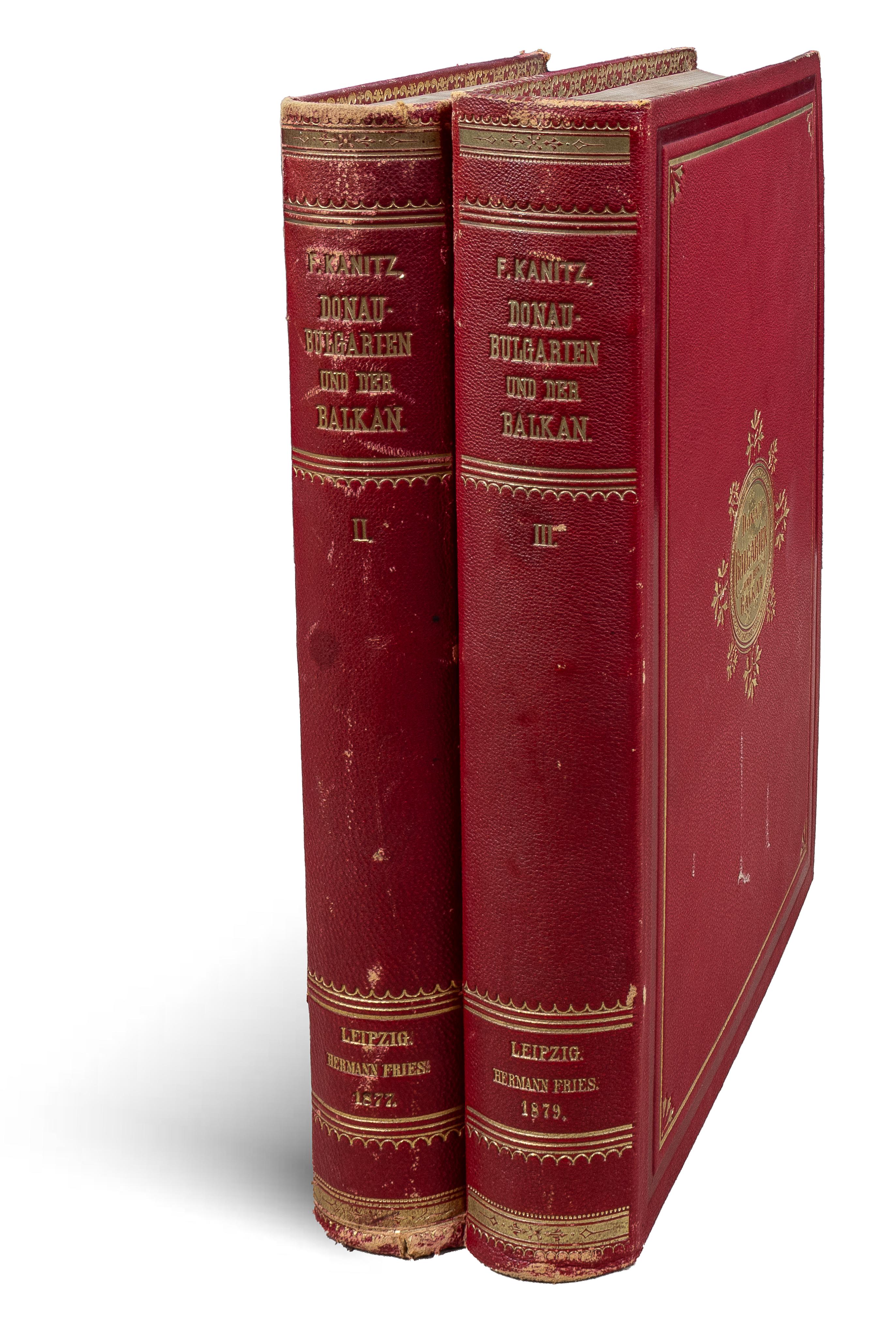
Donau-Bulgarien und der Balkan. Historisch-geographisch-ethnographische Reisestudien aus den Jahren 1860–1879. II-III. (von III.)
Leipzig, 1877-1879; Hermann Fries.XV + 382 + [1]p. + 10t.; XVII + 409p. + 10t. + 1 kihajt. térkép. Első kiadás.
Kivételes provenienciával: Alexander Joseph von Battenberg herceg (1857–1893), I. Sándor bolgár fejedelem könyvtárából. I. Sándor (bolgárul: Алекса̀ндър I Български, 1857–1893), született Alexander Joseph von Battenberg herceg, 1879–1886 között Bulgária megválasztott fejedelme, II. Sándor orosz cár unokaöccse volt. 1878-ban Bulgáriából önálló, autonóm fejedelemség lett az Oszmán Birodalom fennhatósága alatt, II. Sándor pedig unokaöccsét, a bolgár koronára pályázó herceget ajánlotta az újonnan megalakult ország uralkodójául. Sándor abszolutisztikus törekvései nem jártak sikerrel, a zavaros belpolitikai helyzet, külső támadás és saját tisztjeinek puccsa után 1886-ban kénytelen volt lemondani.
Kanitz Fülöp Félixet, (1829–1904) magyar származású osztrák művészettörténészt, térképészt, régészt és etnográfust, a Balkánon végzett néprajzi és feltáró munkásságának eredményeként a Balkán Kolumbusza névvel illetik. Az Illustrirte Zeitung munkatársaként bejárta Németországot, ő készítette a korszak leghíresebb eseményeinek legtöbb illusztrációját, illetve az osztrák császári családot is elkísérte felső-olaszországi utazásukra és illusztrálta az erről szóló cikkeket. 1858-ban Montenegróba utazott, az itt készült rajzai etnográfiai szempontból nézve igen becsesek.1859-ben utazott először Szerbiába, másodszor a következő év tavaszán. Sokszor megfordult a többi balkáni államban is: Albániában, Bosznia-Hercegovinában. Jelen kötet az utazások során gyűjtött anyag és személyes élmények eredményeként született meg. Elsőként adta ki a korszak egyik legalaposabb etnográfiai leírását a dél-szláv népekről, kultúráról és tájról, amelyet a szerző által készített gazdag illusztráció kísért. A harmadik kötet végén lévő térkép az addigi legpontosabb ábrázolás a Balkán Duna menti régiójáról, kartográfiailag önmagában kiemelkedő munka (150×60 cm, 1: 420 000).
Vörös maroquin-kötésben, a kötéstáblán belül finom aranyozott dentelle-szegéllyel, faux moiré-selyem előlapokkal. Az első borító közepén Bulgária aranyozott vaknyomásos címere előtt a cím. Aranyozott lapélekkel, a gerincen aranyozott címfelirat, kötetszám és a kiadási adatok. A harmadik kötet borítóján alul kisebb sérülés, helyenként apróbb kopásnyomok.
With exceptional provenance: from the library of Prince Alexander Joseph von Battenberg (1857–1893), Alexander I, Prince of Bulgaria. Alexander I (Bulgarian: Александър I Български, 1857–1893), born Prince Alexander Joseph von Battenberg, was the elected Prince of Bulgaria from 1879 to 1886 and the nephew of Russian Tsar Alexander II. In 1878, Bulgaria became an independent, autonomous principality under the suzerainty of the Ottoman Empire, and Alexander II recommended his nephew, who was vying for the Bulgarian crown, as the ruler of the newly formed country. Alexander's absolutist efforts were unsuccessful; following a turbulent domestic political situation, an external attack, and a coup by his own officers, he was forced to abdicate in 1886.
Felix Philipp Kanitz (1829–1904), an Austrian art historian, cartographer, archaeologist, and ethnographer of Hungarian descent, is often referred to as the "Columbus of the Balkans" as a result of his ethnographic and exploratory work in the region. As a contributor to the Illustrirte Zeitung, he traveled across Germany, created most of the illustrations of the era's most famous events, and accompanied the Austrian imperial family on their journey to Northern Italy, illustrating the articles written about it. In 1858, he traveled to Montenegro; his drawings made there are highly valuable from an ethnographic perspective. He first traveled to Serbia in 1859, and for a second time in the spring of the following year. He frequently visited other Balkan states as well, including Albania and Bosnia-Herzegovina. The present volume was created as a result of the material collected and the personal experiences gathered during these travels. He was the first to publish one of the most thorough ethnographic descriptions of the South Slavic peoples, culture, and landscape of the era, accompanied by rich illustrations created by the author. The map at the end of the third volume was the most accurate depiction of the Balkan Danube region up to that time, an outstanding cartographic work in its own right (150×60 cm, 1:420,000).
Unique full red morocco, with fine gilt dentelle borders inside the boards and faux moiré silk endpapers. In the center of the front cover, the title is set over the gilt-stamped coat of arms of Bulgaria. With gilt edges, and gilt title, volume number, and publication details on the spine. Minor damage at the bottom of the cover of the third volume, with minor signs of wear in places.